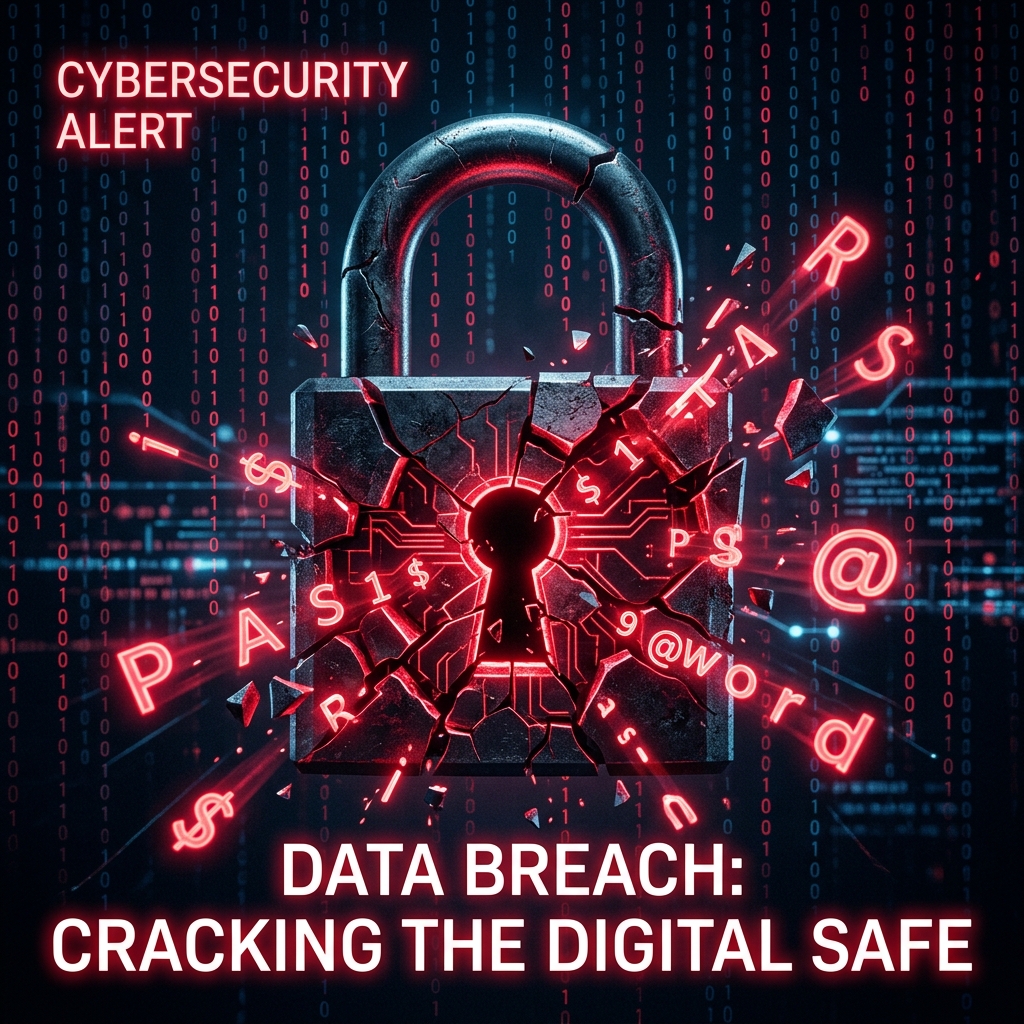
Your Password is Already Broken
I'm going to tell you something uncomfortable: there's a very good chance your password is already sitting in a database somewhere on the dark web. Not "might be." Probably is.
With over 10 billion credentials leaked in data breaches since 2020, the math is simple. If you've ever reused a password across multiple sites — and let's be honest, you have — you're already compromised.
How Passwords Actually Get Cracked
Most people think password cracking looks like someone guessing your birthday over and over. The reality is far more brutal.
Dictionary attacks run through millions of common passwords in seconds. "P@ssw0rd123" isn't clever — it's in every wordlist ever made. Credential stuffing takes leaked username/password combos from one breach and tries them on every other service. Netflix, your bank, your email — all hit simultaneously.
Then there's rainbow tables — precomputed hashes that can reverse-engineer your password from its hash in milliseconds. And brute force with GPU clusters? A modern setup can try 100 billion password combinations per second.
The Uncomfortable Truth
Here's what nobody wants to hear: if your password is under 12 characters and doesn't include truly random characters, it can be cracked in under an hour. Eight characters? Under 30 seconds.
That "strong" password indicator on most websites? It's lying to you. "Summer2024!" gets a green checkmark on most sites, but it would fall to a targeted dictionary attack in minutes.
What Actually Works
1. Use a password manager. Not optional anymore. Bitwarden, 1Password, KeePass — pick one. Let it generate 20+ character random strings for every account.
2. Enable 2FA everywhere. Not SMS-based (SIM swapping is real). Use an authenticator app or hardware key.
3. Check if you've been breached. Go to haveibeenpwned.com right now. If you find your email (you will), change those passwords immediately.
4. Use passphrases. "correct-horse-battery-staple" is mathematically stronger than "Tr0ub4dor&3" and infinitely easier to remember.
The Bottom Line
Your password is the first line of defense for your entire digital life. Treat it like the deadbolt on your front door — not the lock on a diary. The attackers aren't guessing. They're computing. And they're faster than you think.